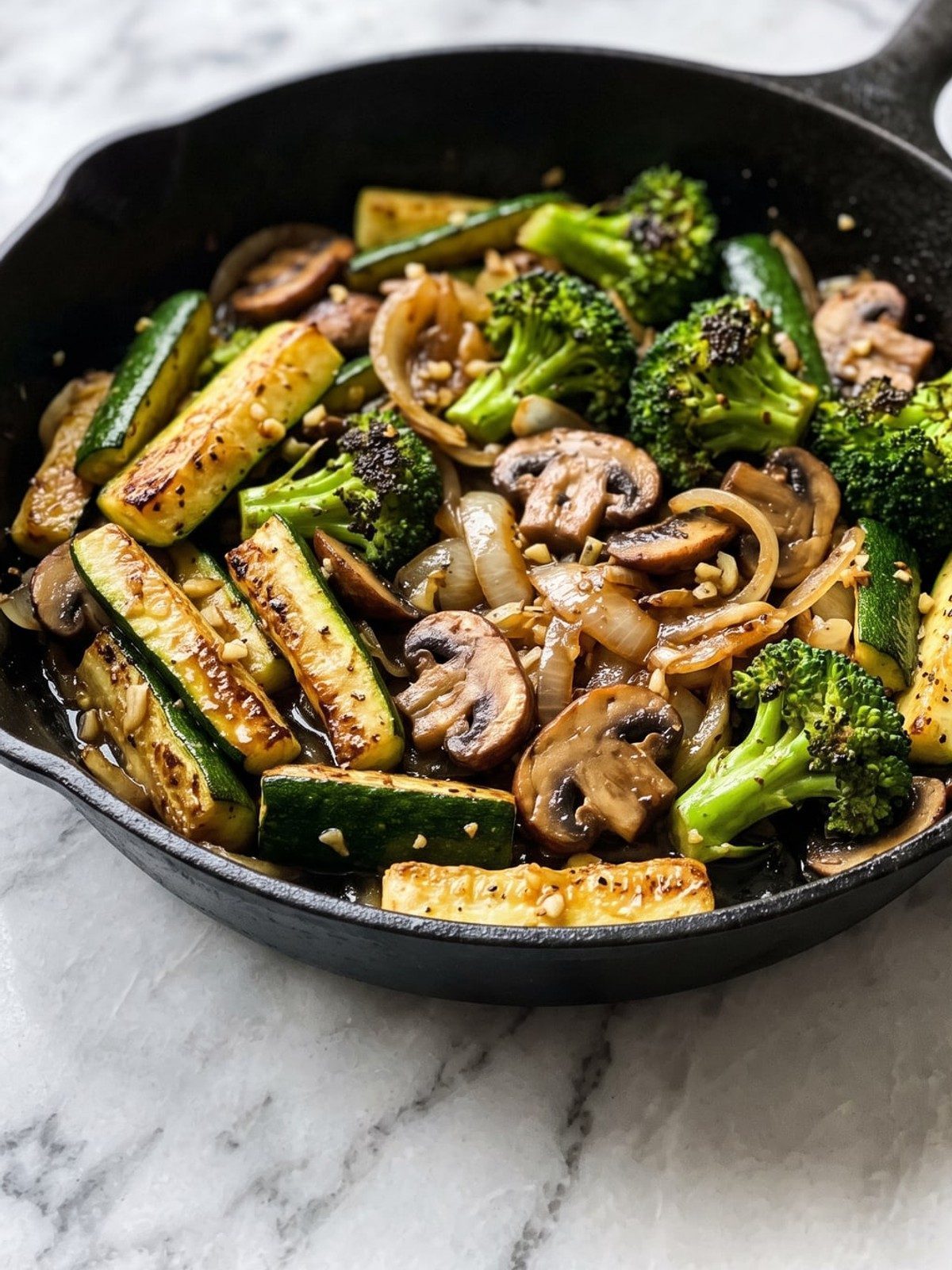
Hibachi vegetables are the buttery, garlicky, soy-glazed zucchini, broccoli, mushrooms and onion you get at a Japanese steakhouse, seared on a hot griddle until they’re tender with browned, slightly crisp edges. At home they take 25 minutes in one big skillet, and they’re the side that makes a weeknight chicken or fried rice night feel like a night out.
How to make hibachi vegetables: heat oil in a large skillet or griddle over medium-high heat, cook the vegetables until they start to soften, then add butter, garlic, soy sauce, garlic powder, onion powder and pepper and cook about 2 minutes more.
Why You’ll Love It
- 25 minutes, with only about 10 of them at the stove.
- One pan. Everything cooks together on a griddle or in a big skillet.
- Buttery, savory and a little sweet, with browned edges and tender centers.
- Flexible: almost any firm vegetable works with a small timing change.
- A steakhouse finish: butter, garlic and a splash of soy sauce go on in the last two minutes.
Ingredient Notes
Zucchini. One large zucchini cut into 2-inch sticks. Leave the peel on.
Broccoli and mushrooms. Three cups of broccoli florets and 1 cup of sliced mushrooms. Keep the florets small, close to the size of the zucchini sticks, so everything finishes together. The mushrooms are optional if someone at your table doesn’t like them.
Onion. One large onion, cut into 1-inch pieces.
Oil and butter. Two tablespoons of vegetable oil go in first, and 2 tablespoons of salted butter come in at the end. Butter brings flavor and helps the vegetables brown; the oil handles the high heat so the butter doesn’t scorch.
Soy sauce. One tablespoon. Regular or low-sodium both work; use tamari or coconut aminos for a gluten-free version.
Seasoning. Two teaspoons of minced garlic, plus a teaspoon each of garlic powder and onion powder and 1/2 teaspoon pepper. The fresh garlic goes into the melted butter at the end; the powders season the vegetables themselves, so you get garlic flavor two ways.
Ingredients
- 2 tablespoons vegetable oil
- 1 large zucchini, cut into 2-inch sticks
- 3 cups broccoli florets
- 1 cup mushrooms, sliced
- 1 large onion, cut into 1-inch pieces
- 2 tablespoons salted butter
- 2 teaspoons garlic, minced
- 1 tablespoon soy sauce
- 1 teaspoon garlic powder
- 1 teaspoon onion powder
- 1/2 teaspoon pepper
How to Make Hibachi Vegetables
1. Heat the pan. Preheat a large griddle or a large skillet over medium-high heat.
2. Start the vegetables. Add the vegetable oil. Once the oil is hot, add the zucchini, broccoli, mushrooms and onion. Cook until the vegetables have started to soften.
3. Add butter, garlic and seasoning. Add the butter and minced garlic to one side of the pan. Season the vegetables with the soy sauce, garlic powder, onion powder and pepper. Mix the vegetables with the melted butter and cook until they are cooked through, about 2 minutes.
4. Serve. Transfer the vegetables to a plate and serve hot.
How to Sear Hibachi Vegetables Instead of Steaming Them
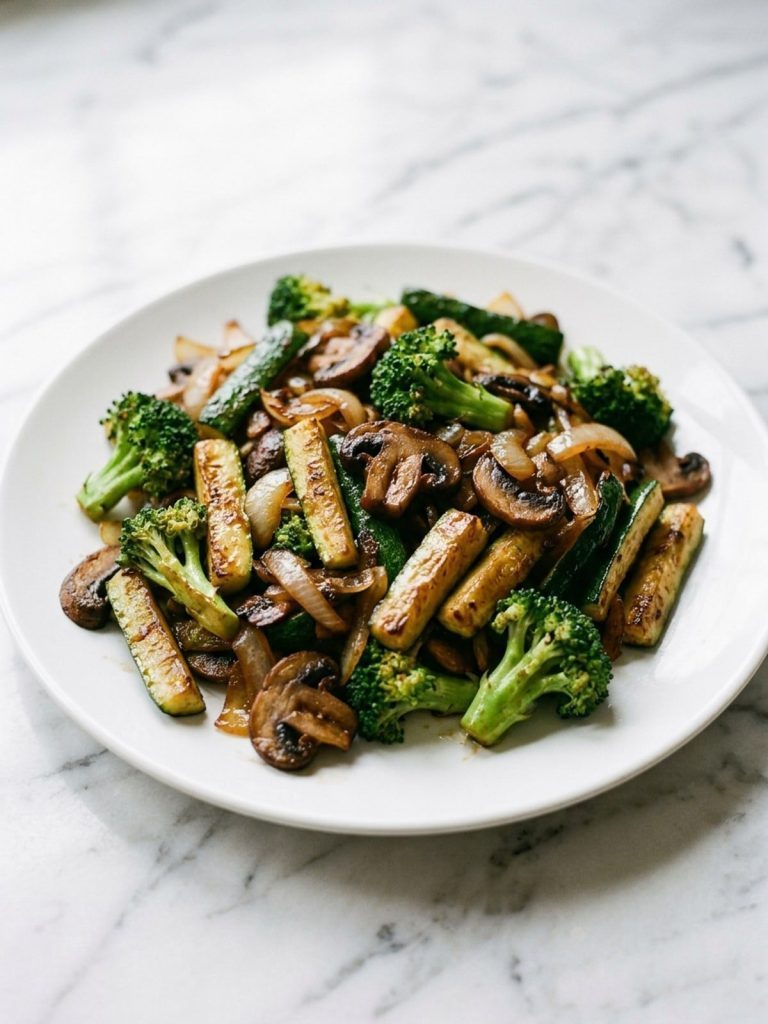
The difference between steakhouse vegetables and a soggy pan of zucchini comes down to heat and timing. Here’s what makes them brown.
Get the pan really hot. Heat your skillet or griddle over medium-high until a drop of water skitters across the surface. A pan that isn’t hot enough is the most common reason hibachi vegetables come out limp: the vegetables release water faster than the pan can cook it off, and they steam instead of searing.
Cut everything the same size. Same-size pieces finish at the same moment. Do all of your cutting before the pan goes on the heat, so nothing sits waiting while the first batch overcooks.
Oil first, butter last. Start with the oil, which handles the high heat. The butter and garlic go in at the end, along with the soy sauce, so the butter flavors the vegetables without scorching.
Let them sit. Resist stirring constantly. Restaurant cooks spread the vegetables on the griddle and leave them alone for stretches, and let the hot surface brown them before you turn them.
Time the vegetables you care about. Restaurants put all the vegetables on the grill at once and let them cook. At home, you can fine-tune:
| If you like | Do this |
|---|---|
| Crisper broccoli | Add it toward the end |
| Plump mushrooms | Add them halfway through; they shrink as they cook |
| Carrots in the mix | Add them first; harder vegetables need longer |
| Softer zucchini and onion | Add them last |
Salt smart. Don’t salt the zucchini until it has browned. Mushrooms are the opposite: salt them right away to draw out their water. You don’t need any extra liquid in the pan; the mushroom juices are enough.
Want extra caramelized edges? Cook each vegetable on its own, then combine them at the end. It takes longer, but you get caramelized, slightly crunchy vegetables instead of watery ones.
Which Vegetables to Use
The four vegetables here are the core of the dish, and they’re the vegetables you’ll see on most steakhouse griddles. The restaurant mix usually adds carrots and plenty of garlic too. Beyond that, almost any firm vegetable works as long as you adjust when it goes into the pan.
| Vegetable | When it goes in |
|---|---|
| Carrots | First, since they’re the hardest |
| Broccoli | With the rest, or toward the end for crisper broccoli |
| Mushrooms | With the rest, or halfway through to keep them plump |
| Onion | With the softer vegetables |
| Zucchini or yellow squash | With the softer vegetables |
| Bell peppers or pea pods | With the softer vegetables |
| Green onions | With the softer vegetables |
Whatever mix you choose, keep the total about the same so the vegetables still fit in a single layer, and cut them to matching sizes so they finish together. If someone at the table doesn’t like mushrooms, leave them out; nothing else needs to change.
Tips for Success
Why did my butter burn?
It went in too early. Butter can’t take the high heat the vegetables need at the start, so begin with the vegetable oil and add the butter and garlic only for the last couple of minutes.
How do I keep hibachi vegetables from going soggy?
Give the vegetables room. If your skillet is small, cook them in two batches so they sit in a single layer and touch the hot pan. Then finish both batches together with the butter and soy sauce.
Why don’t they taste like the restaurant?
The finish is what does it. Add the soy sauce and a pat of butter at the very end, so they come together into a light, glossy coating on the vegetables. Taste, and add a little more soy sauce if you like.
Can I make them on a flat-top griddle?
Yes. A large griddle works the same way as a skillet: preheat it over medium-high, oil it, and push the vegetables to one side when the butter and garlic go in.
Variations
- More vegetables: add carrots, bell peppers, pea pods, yellow squash or green onions.
- Sweeter: stir in about a teaspoon of sugar with the soy sauce, or add a splash of teriyaki sauce while they cook.
- Dairy-free: use plant-based butter, or simply more oil in place of the butter.
- Garnish: finish with a sprinkle of sesame seeds.
Storage & Reheating
Refrigerate leftovers within 2 hours in a shallow, airtight container and eat them within 3 to 4 days. USDA FSIS says cooked leftovers can be frozen for 3 to 4 months. Reheat covered until they reach 165°F. Vegetables don’t need a doneness temperature the first time around; cook them until they’re tender with some browning.
What to Serve With It
To turn this into a hibachi night at home, cook your protein first (hibachi chicken is the usual partner), keep it warm, then cook the vegetables in the same pan while the fried rice finishes. Set out a small bowl of yum yum sauce for dipping, and everyone builds their own plate.
Serve the vegetables with egg fried rice or chicken and bacon fried rice, grilled chicken and a little yum yum sauce on the side. They also go with teriyaki chicken skewers, garlic chicken stir fry or Chinese beef and onion stir fry. For a non-soy version of sautéed zucchini, try skillet zucchini and mushrooms.
Frequently Asked Questions
What vegetables are used in hibachi?
The usual mix is onions, garlic, carrots, broccoli, mushrooms and zucchini. Bell peppers, pea pods, yellow squash and green onions show up too.
How are hibachi vegetables seasoned?
With butter, garlic and soy sauce, plus garlic powder, onion powder and pepper here. A splash of teriyaki sauce during cooking is another option.
What do hibachi chefs squirt on vegetables?
Soy sauce, a couple of squirts at a time, along with butter. Teriyaki sauce is another common addition.
What are some easy vegetable recipes for hibachi?
This one is the starting point: zucchini, broccoli, mushrooms and onion with butter, garlic and soy. From there, swap in carrots, bell peppers, pea pods, yellow squash or green onions, and serve them with fried rice.
Do I peel the zucchini?
No. Leave the peel on and cut the zucchini into 2-inch sticks.
Can I use low-sodium soy sauce?
Yes. Regular or low-sodium soy sauce both work, and tamari or coconut aminos make the dish gluten-free.
Do I need to add water or broth to the pan?
No. The vegetables cook in the oil and butter, and the mushrooms give off enough juice of their own. Adding liquid would only make them steam instead of brown, which is the opposite of what you want here.
What is hibachi?
It’s the style of cooking at Japanese steakhouses, where the chef cooks the meat, rice and vegetables on a big flat griddle in front of you (often called teppanyaki).
Final Notes
Chop everything before you turn on the burner; once the pan is hot, the whole thing moves fast. Tell me in the comments which vegetables you added to yours, and what you served them with.
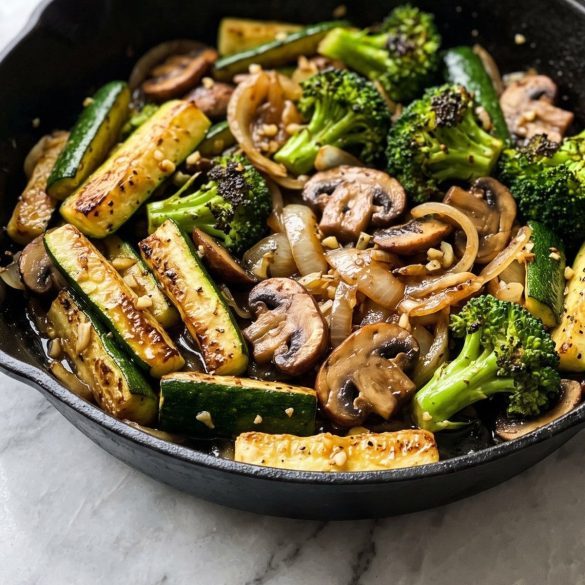
Hibachi Vegetables
Want This Recipe Later?
Ingredients
- 2 tablespoons vegetable oil
- 1 large zucchini cut into 2-inch sticks
- 3 cups broccoli florets
- 1 cup mushrooms sliced
- 1 large onion cut into 1-inch pieces
- 2 tablespoons salted butter
- 2 teaspoons garlic minced
- 1 tablespoon soy sauce
- 1 teaspoon garlic powder
- 1 teaspoon onion powder
- 1/2 teaspoon pepper
Instructions
- Preheat a large griddle or a large skillet over medium-high heat.
- Add the vegetable oil. Once the oil is hot, add the zucchini, broccoli, mushrooms and onion. Cook until the vegetables have started to soften.
- Add the butter and minced garlic to one side of the pan. Season the vegetables with the soy sauce, garlic powder, onion powder and pepper. Mix the vegetables with the melted butter and cook until they are cooked through, about 2 minutes.
- Transfer the vegetables to a plate and serve hot.
Notes
Nutrition
Made this recipe? Tap a star to rate it.