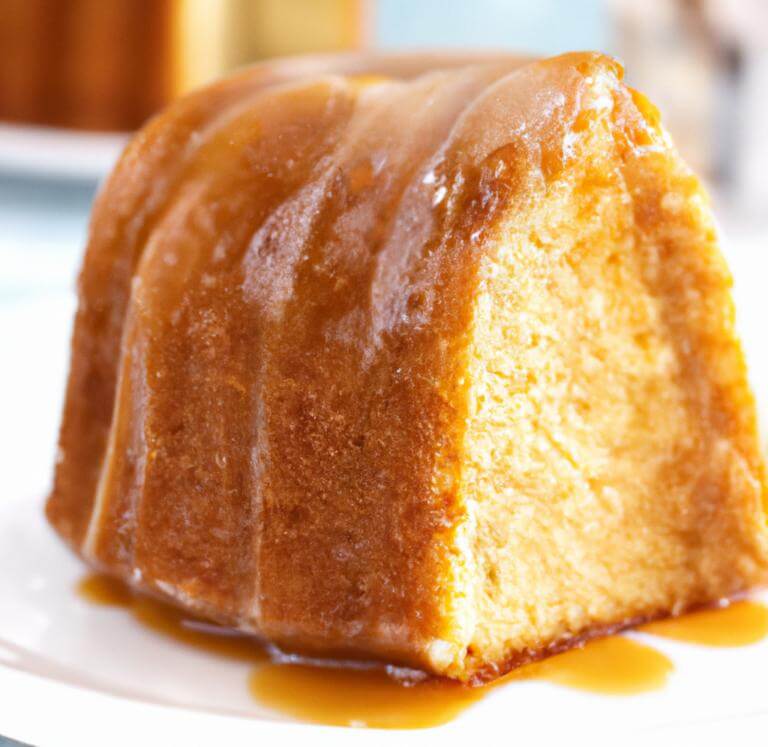
You know how some desserts don’t just sit on the table — they change the mood? This is one of those cakes.
The first time I made a Kentucky butter cake, it was for a potluck I almost skipped. Long week, tired bones, cold weather that had no intention of cheering me up. I baked it late in the evening, barefoot in the kitchen, with a radio humming something nostalgic. When that buttery syrup soaked into the warm cake, the whole place smelled like comfort and quiet confidence. I remember thinking, Well. Even if no one else eats it, I’ll be just fine. Try our Black Velvet Cake next.
Of course, it didn’t last long.
This salted caramel version takes everything I love about the original — the tender crumb, the unapologetic richness, that magical butter sauce — and gives it a little edge. A whisper of salt. A deeper sweetness. A grown-up nod to balance. It’s the cake you bring when you want people to ask for the recipe before they’ve even finished their slice.
And honestly? It’s the cake I bake when I need reminding that simple things, done well, still count.
Why You’ll Love This Cake (And Probably Make It Again)
Let me count the ways — briefly, because I know you’re eager to bake.
-
Deeply moist without being heavy or soggy
-
Buttery in the best possible way, thanks to the syrup soaking into every bite
-
Sweet but not cloying, with salted caramel keeping things grounded
-
Reliable — no fussy techniques or tricky timing
-
Better the next day, which is a gift we don’t talk about enough
It’s the sort of dessert that fits just as comfortably on a holiday table as it does beside a cup of coffee on a quiet afternoon. If you like this, you'll love our Lemon Blueberry Cake.
Ingredient Notes (And a Few Friendly Substitutions)
Here’s the thing about a butter cake: it doesn’t hide behind bells and whistles. The ingredients matter. Not in a precious way — just in a pay attention way.
For the Cake
-
All-purpose flour
Standard pantry flour works beautifully here. No need for anything fancy. -
Granulated sugar
This gives structure and sweetness. I’ve tested slight reductions, but honestly, this cake earns its sugar. -
Salt
Don’t skip it. Even before the caramel comes into play, salt keeps the flavor awake. -
Baking powder & baking soda
This combination gives the cake its lift without making it airy. You want tender, not fluffy. -
Buttermilk (or fermented milk)
This is non-negotiable in spirit, but flexible in practice. Real buttermilk is lovely. A milk-and-vinegar stand-in works just fine on a Tuesday night. -
Butter, room temperature
Soft enough to blend easily, not melting into submission. -
Vanilla
Use what you like. I keep Nielsen-Massey on hand, but grocery-store vanilla has baked plenty of good cakes in my kitchen. -
Eggs
Room temperature helps everything come together smoothly.
For the Sauce
-
Sugar
Plain white sugar keeps the sauce clean and classic. -
Butter
Salted butter is welcome here. Encouraged, even. -
Water
Just enough to help things meld. -
Vanilla
A small amount, but it rounds out the sauce beautifully.
And if you’re thinking, That doesn’t look like caramel, you’re right — not in the candy-thermometer sense. This is old-school, syrupy, butter-forward goodness. The salt brings the caramel feeling home.
Let’s Bake — Step by Step, Nice and Easy
Take a breath. Put the oven rack in the center. This cake doesn’t like to be rushed, and neither should you.
Step 1: Set the Stage
Preheat your oven to 325°F. This lower temperature gives the cake time to bake evenly without drying out.
Grease and flour a Bundt pan thoroughly. And I mean thoroughly. Get into the curves. This cake deserves a clean exit.
Step 2: Dry Ingredients First
In a large bowl, whisk together:
-
Flour
-
Sugar
-
Salt
-
Baking powder
-
Baking soda
Give it a good mix. Nothing fancy. You’re just making sure everyone’s acquainted.
More easy dinners you might like
Step 3: Bring It All Together
Add the buttermilk, butter, vanilla, and eggs to the bowl. Start mixing on low speed until the ingredients are moistened. This part isn’t glamorous, but it matters.
Once everything looks combined, turn the mixer up to medium and beat for three full minutes. Set a timer if you have to. This is where the batter becomes smooth, creamy, and ready to behave itself in the oven. For another easy option, see our Bea’s Blueberry Sheet Cake.
Step 4: Bake With Patience
Spoon the batter into your prepared pan and smooth the top.
Slide it into the oven and let it bake for 55 to 65 minutes. Ovens vary. Trust the toothpick. When it comes out clean, you’re there.
Set the pan on a wire rack and let it cool slightly. Not completely. Just enough to catch its breath.
Step 5: The Sauce (Don’t Walk Away)
While the cake rests, combine the sugar, butter, water, and vanilla in a small saucepan.
Heat gently, stirring until the butter melts and the sugar dissolves. This should feel calm. No boiling. No drama. You’re aiming for smooth and glossy, not thick and aggressive.
Step 6: The Soak That Makes the Cake
Here’s the part people remember.
Use a fork or skewer to poke holes all over the cake while it’s still warm. Be generous. These little channels are invitations.
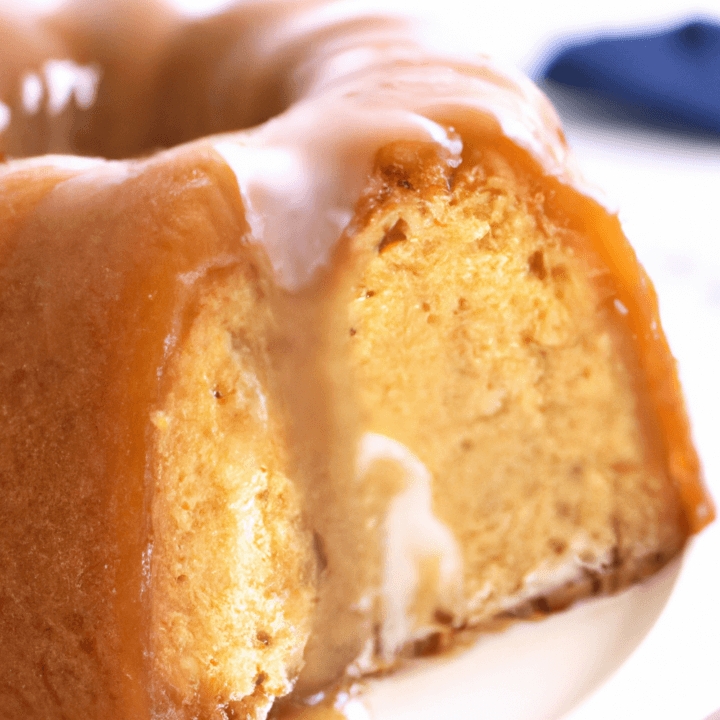
Slowly pour the warm sauce over the cake, letting it sink in. Pause now and then. Let gravity do its thing. The cake will drink it up like it’s been waiting all its life.
Once the sauce is absorbed, let the cake cool completely before turning it out.
Variations and Flavor Twists (For When You Feel Like Playing)
This cake is steady, but it’s not boring.
-
Almond or maple extract in the sauce gives a cozy, fall-leaning note
-
Chopped pecans or walnuts stirred into the batter add texture and warmth
-
Extra sea salt sprinkled on top sharpens the caramel sweetness
-
Orange zest in the batter adds brightness without stealing the show
Sometimes I keep it classic. Other times, I tweak it depending on the season or who’s coming over. Both choices feel right.
Storage, Freezing, and Reheating (Because Life Happens)
This cake keeps beautifully.
-
Room temperature: Covered, it stays moist for 3–4 days
-
Refrigerated: Up to a week, though bring slices to room temp before serving
-
Frozen: Wrap slices tightly and freeze for up to 3 months
To reheat, a few seconds in the microwave does the trick. Not long — just enough to soften the crumb and wake up the butter.
Frequently Asked Questions
Okay… my cake feels very soft. Like almost fragile. Did I push it too far?
I know exactly that feeling. You pull it out, touch the top, and think, well this can’t be right. But with this cake, that softness is kind of the point. Between the buttermilk and the butter sauce, it’s supposed to feel delicate while it’s warm. Give it some time to cool and settle — it firms up just enough without losing that melt-in-your-mouth thing.
I poked holes but the sauce still pooled in spots. Is that normal?
Yes. And honestly, those syrupy pockets are usually the bites people fight over. The cake absorbs most of the sauce, but it doesn’t do it all at once. I usually pour, wait a minute, then pour again. If a little stays on top? That’s not a problem. That’s dessert being dessert.
Can I use salted butter for everything or will I regret it later?
You probably won’t regret it. I’ve used salted butter in both the cake and the sauce plenty of times, especially when that’s what I had on hand. The sweetness balances it out. If anything, it keeps the cake from tasting flat, which can happen with really rich bakes. You might also like our Homemade German Chocolate Cake.
I’m short on time — does this actually need to cool before flipping?
I wish I could say no, but… kind of yes. I’ve rushed it before and had a few tense moments with a stubborn Bundt pan. Letting it cool gives the cake time to hold together and release cleanly. Even fifteen or twenty minutes makes a difference. Use that time to clean up or sneak a spoonful of leftover sauce.
Is it weird that this tastes even better the next day?
Not weird at all. This is one of those cakes that settles into itself overnight. The butter sauce fully sinks in, the crumb relaxes, and the flavors deepen. I almost prefer it day two — especially with coffee, standing at the counter, still half asleep.
My edges browned more than I expected. Did I mess something up?
Probably not. Bundt pans love to brown, especially darker ones. As long as the inside is baked through, you’re fine. If the outside looks a little dramatic, think of it as extra flavor. No one’s ever complained about that part.
Can I freeze a slice or two, or will it get sad?
It freezes better than you’d think. Wrap it well, forget about it for a bit, then thaw it slowly. A quick warm-up brings it right back to life. I’ve pulled slices out weeks later and thought, why don’t I do this more often?
If you end up with questions while you’re baking, you’re in good company — most of these came from moments of quiet panic in my own kitchen. This cake has a way of looking suspicious before it turns out just right. Trust it. And trust yourself.
A Last Word From My Kitchen to Yours
This salted caramel Kentucky butter cake isn’t flashy. It doesn’t rely on trends or tricks. It just shows up, does its job, and leaves people happy — which, if you ask me, is the highest compliment a dessert can earn.
If you make it, I hope you share it. With neighbors. With family. With yourself, standing at the counter with a fork when no one’s looking. If you tweak it, tell me. If you have questions, ask. Baking is better when it feels like a conversation, not a performance. Try our Paula Deen’s Southern Cornbread Dressing next.
Now go preheat that oven. Something wonderful is about to happen. If you like this, you'll love our Southern Cornmeal Hoecakes.
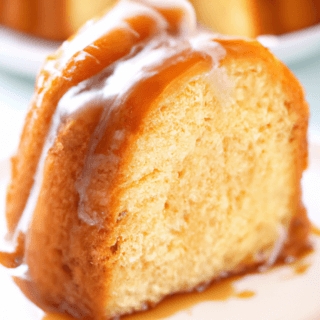
SALTED CARAMEL KENTUCKY BUTTER CAKE
Want This Recipe Later?
Ingredients
- For the Cake:
- 3 cups / 13 1/2 ounces all-purpose flour
- 2 cups granulated sugar
- 1 teaspoon salt
- 1 teaspoon baking powder
- 1/2 teaspoon baking soda
- 1 cup buttermilk or fermented milk
- 1 cup butter room temperature
- 2 teaspoons vanilla
- 4 large eggs
- For the Sauce:
- 3/4 cup sugar
- 1/3 cup butter
- 3 tablespoons water
- 2 teaspoons vanilla
Instructions
- As your kitchen transforms into a haven of heavenly aromas, preheat the oven to a cozy 325°F. Imagine generously greasing and flouring a Bundt pan, ready to cradle the magic that is about to unfold.
- In a large bowl, whisk together the flour, sugar, salt, baking powder, and baking soda. Now, envision adding the buttermilk, butter, vanilla, and eggs, each ingredient joining the dance in perfect harmony. With the mixer set to low, let the ingredients mingle until moistened, then elevate the speed to medium and beat for a mesmerizing 3 minutes.
- Spoon the batter into the prepared pan, spreading it evenly like a golden promise. As the cake bakes in the preheated oven, visualize the kitchen becoming a sanctuary of warmth and anticipation. After 55 to 65 minutes, a toothpick inserted into the center comes out clean – a sign that your masterpiece is ready to emerge.
- While the cake cools slightly, conjure a small saucepan on the stovetop. Combine sugar, butter, water, and vanilla, allowing them to meld together over low heat. Stir until the butter melts, creating a tantalizing caramel sauce. Resist the urge to let it boil – this blend is meant to be a velvety embrace.
- Now, as the cake rests on a wire rack, pierce it with a fork or skewer, creating little pockets of anticipation. Picture pouring the warm butter sauce over the cake, each drop a promise of indulgence. The sauce seeps into every nook and cranny, transforming your creation into a masterpiece of sweetness.
Notes
Nutrition
Nutrition values are estimates based on the listed ingredients and serving count. Actual values vary with brands, cuts and portion sizes.