
Save This Recipe
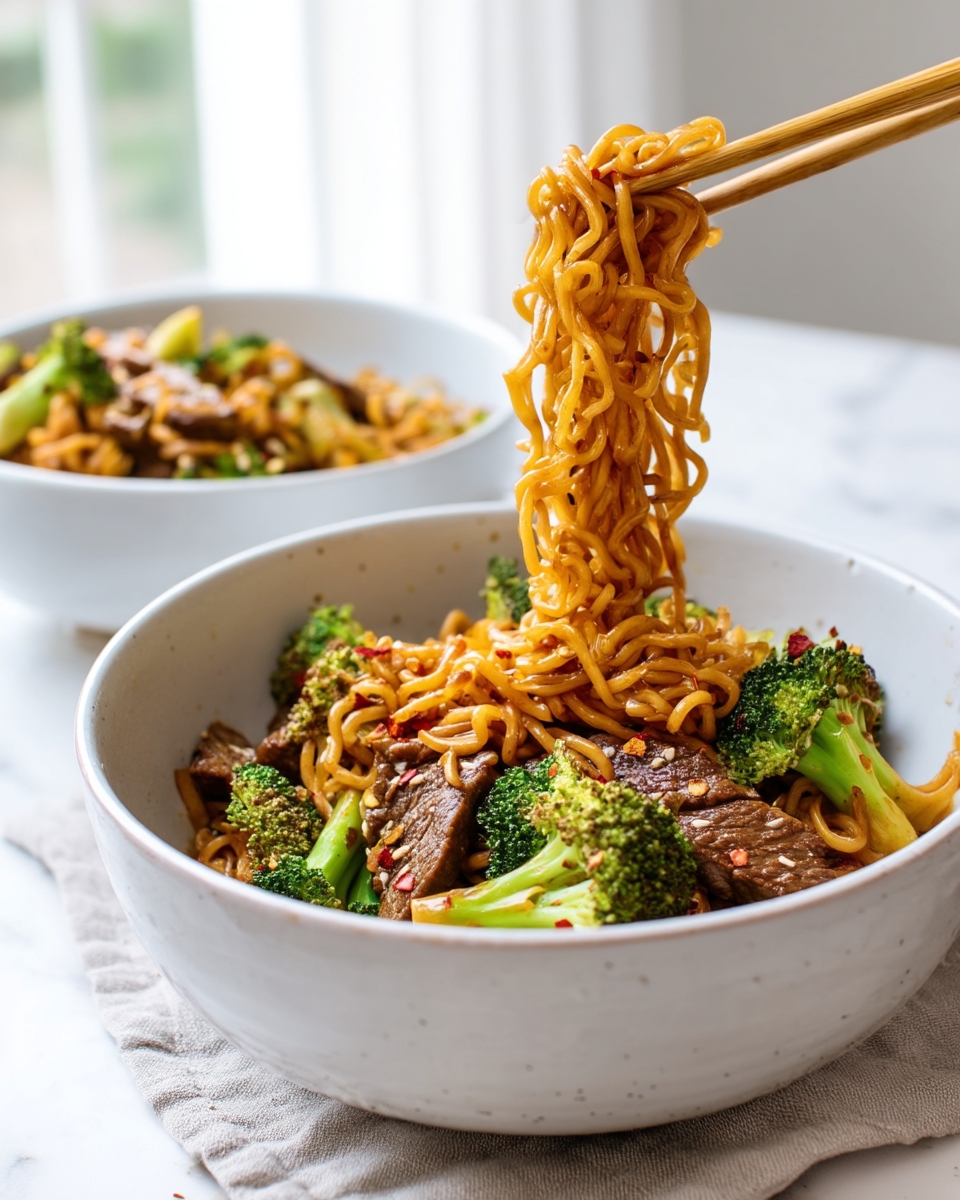
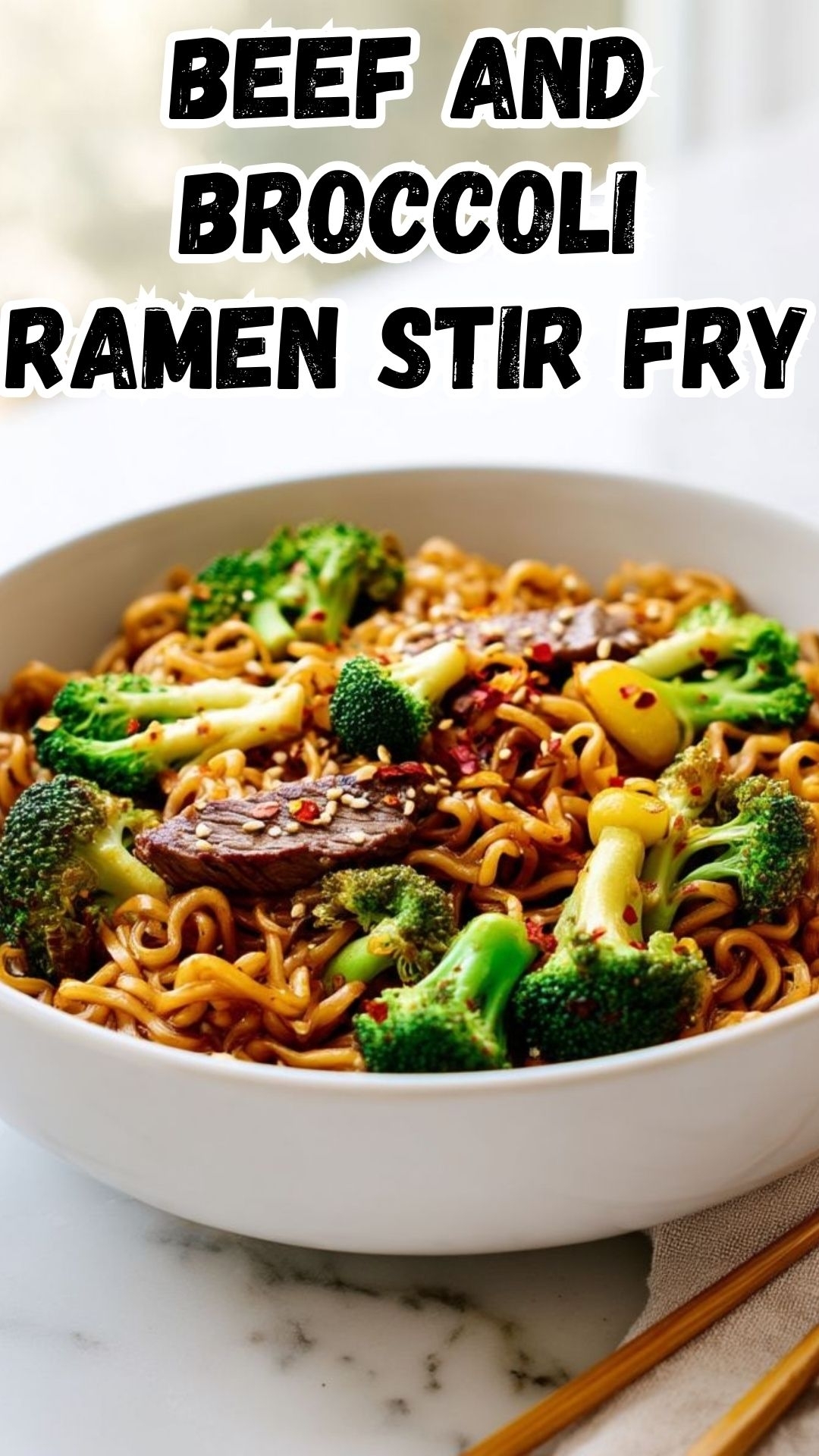
If you love beef and broccoli stir fry, you have to try it with ramen noodles — it’s a game changer. This easy one-skillet meal comes together in 30 minutes and the sauce is absolutely incredible.
Why You’ll Love It
One skillet, minimal cleanup — everything comes together in the same pan, so dishes are never an issue
Ready in 30 minutes — quick enough for a busy weeknight without sacrificing flavor Try our CHICKEN AND BROCCOLI STIR FRY next.
That sauce though — sweet, savory, tangy, with just a little heat; it coats every noodle and piece of steak perfectly
A complete meal in one pan — protein, vegetables, and noodles all together, no sides needed
Totally customizable — swap the beef for chicken, go vegetarian, or mix up the vegetables depending on what you have
About the Ingredients
The steak: I use sirloin, and I’d encourage you to do the same. Flank works too. The thing you want to avoid is anything that takes time to break down — like chuck, which is a beautiful cut for a Sunday braise but turns into something sad when you cook it fast over high heat. Slice it thin, against the grain, and you’ll be fine.
Broccoli: fresh, please, if you can manage it. Frozen florets thawed out will technically work, and I’ve done it in a pinch, but the texture isn’t the same. Fresh broccoli in a screaming hot pan gets those little charred edges on the florets and it’s just better. Steam it just barely, two minutes, not more — you want it to have a little give but still feel like something. If you like this, you'll love our 3-INGREDIENT ORANGE CHICKEN.
The noodles: any brand. The absolute cheapest ones work great here. You’re throwing the seasoning packet out anyway so the only thing that matters is the noodle itself, and they’re all essentially the same. My grocery store sells them three for a dollar or something like that and I always have a stash.
The sauce: every single ingredient matters. I know that sounds like something someone says when they don’t want to give you substitutions, but the sesame oil and the rice vinegar especially — don’t skip them. The sesame oil is what gives it that unmistakable takeout-adjacent flavor, and the vinegar cuts through everything so it doesn’t taste heavy.
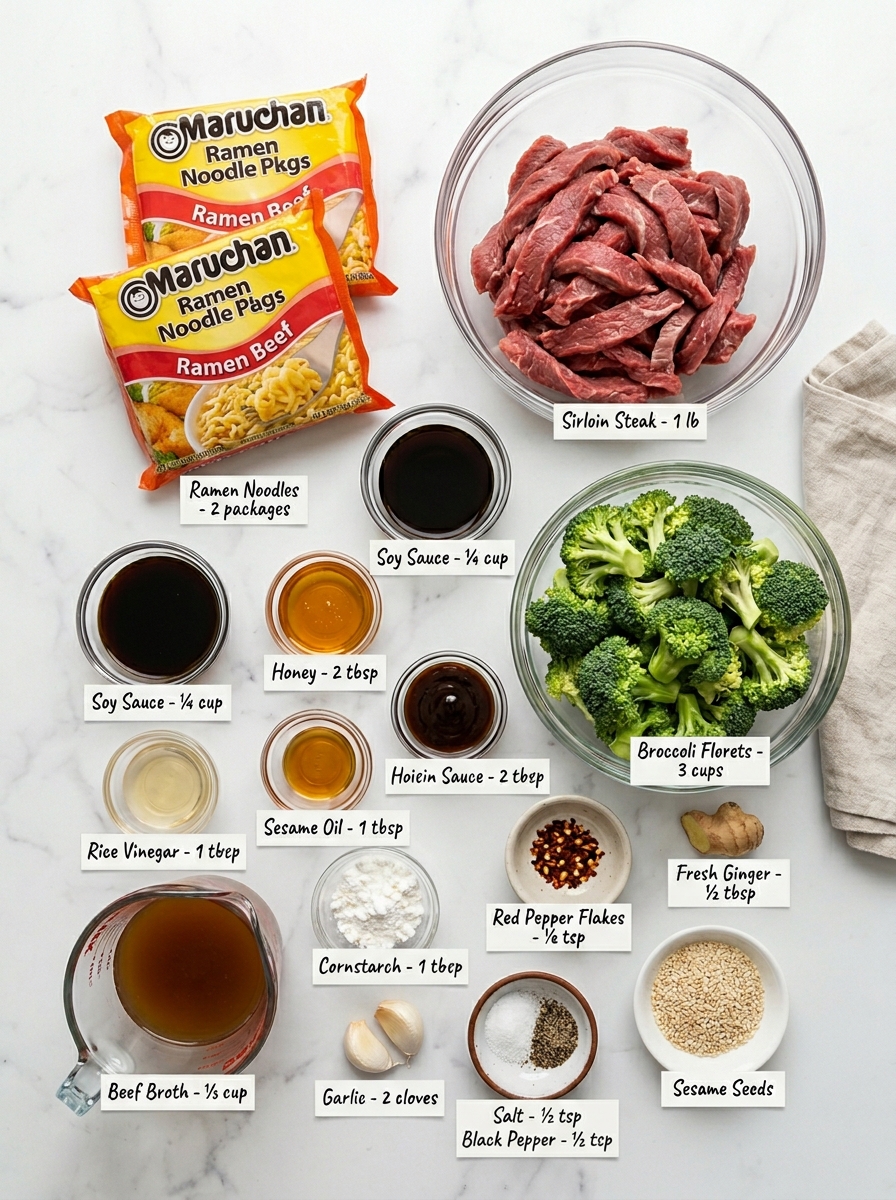
Ingredients
For the sauce:
1/4 cup low-sodium soy sauce
1 tablespoon cornstarch
1/3 cup beef broth
2 tablespoons honey
2 tablespoons hoisin sauce
1 tablespoon rice vinegar
1 tablespoon sesame oil
2 cloves garlic, minced (I sometimes do three if they’re small)
1/2 tablespoon fresh grated ginger
1/8 teaspoon red pepper flakes — or a little more if your family runs hot
For the stir fry:
2 (3-ounce) packages ramen noodles, seasoning packets discarded
1 teaspoon sesame oil (for the noodles)
2 tablespoons olive oil, divided
1 pound sirloin steak, fat trimmed, sliced into 1 1/2-inch strips about 1/4-inch thick
1/2 teaspoon kosher salt
1/2 teaspoon black pepper
3 cups fresh broccoli florets
1/2 cup water
Sesame seeds for garnish — I always mean to add these and half the time forget For another easy option, see our Teriyaki Chicken and Rice Casserole.
How to Make It
Make your sauce first, before anything else. This is the thing I cannot stress enough. You’re going to be moving fast once that skillet is hot, and you don’t want to be fumbling around with the hoisin jar while your steak is overcooking. Whisk together the soy sauce and cornstarch first until there are absolutely no lumps — really take a minute on this, the lumps don’t cook out the way you’d hope — then add everything else and whisk it together. Set it aside.
More easy dinners you might like
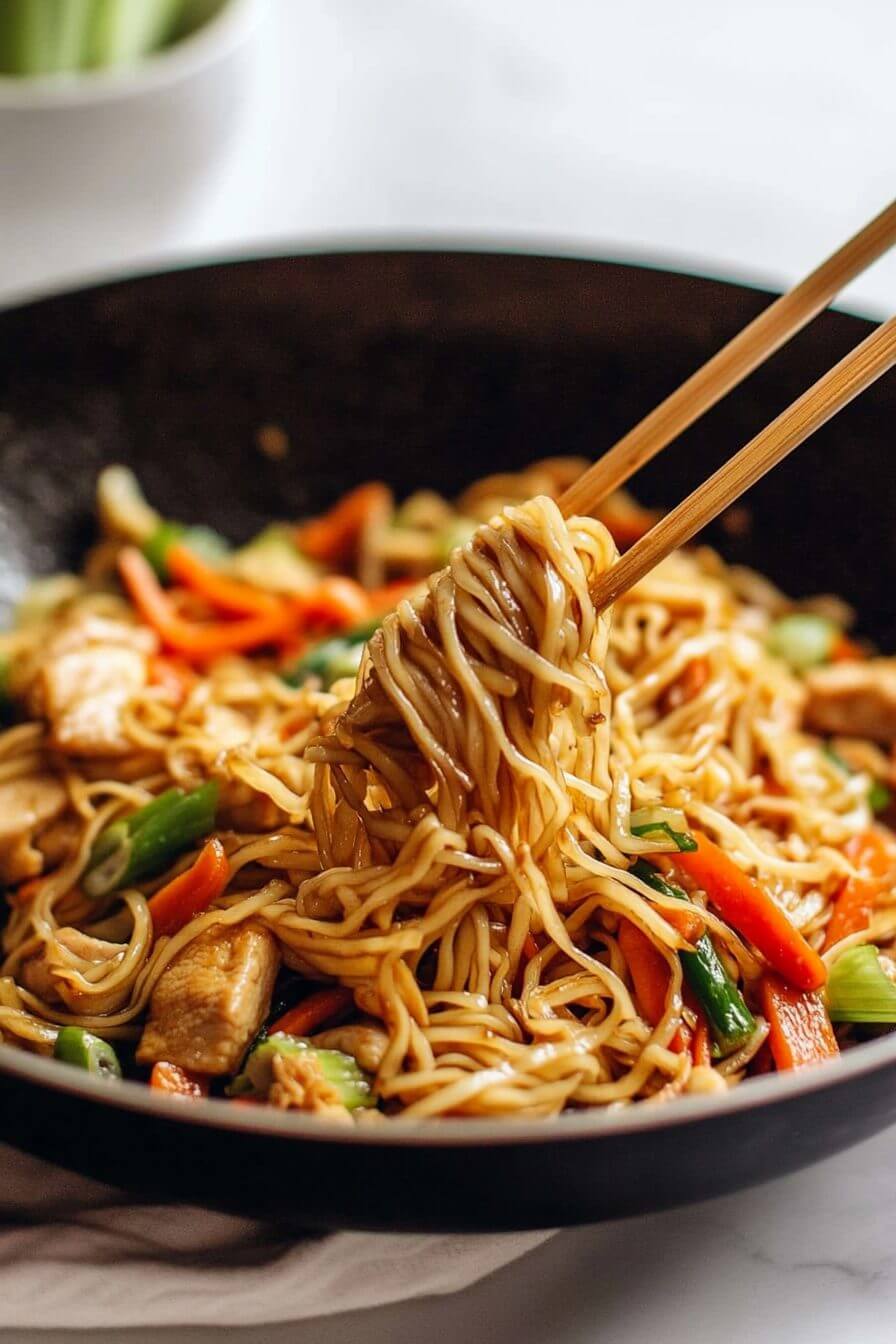
Cook the ramen in a pot of boiling water, which takes maybe two minutes, three at the outside. You want them just tender, not soft. Drain them, rinse them under cold water so they stop cooking, and toss them with that teaspoon of sesame oil so they don’t stick into one big blob. Which they will do, immediately, if you skip this step. I learned that the messy way.
Now get your largest skillet hot — medium-high heat, and I mean it, wait for it to actually be hot before you add the oil. Season your steak strips with salt and pepper. Add them to the pan and then leave them alone. This is the hardest part for me because I have a tendency to mess with things on the stove, poke at them, check the underside every thirty seconds. Resist. Let them sit untouched for three minutes so they actually brown. Then stir and give them another two minutes. Pull them out of the pan and set them aside.
In the same pan, add the second tablespoon of olive oil and the broccoli. Pour in the half cup of water and put a lid on it — this is what steams the broccoli rather than just frying it, and you want that. Two minutes, lid on. The broccoli should come out bright green and just barely tender. If it’s gone gray and mushy you went too long.
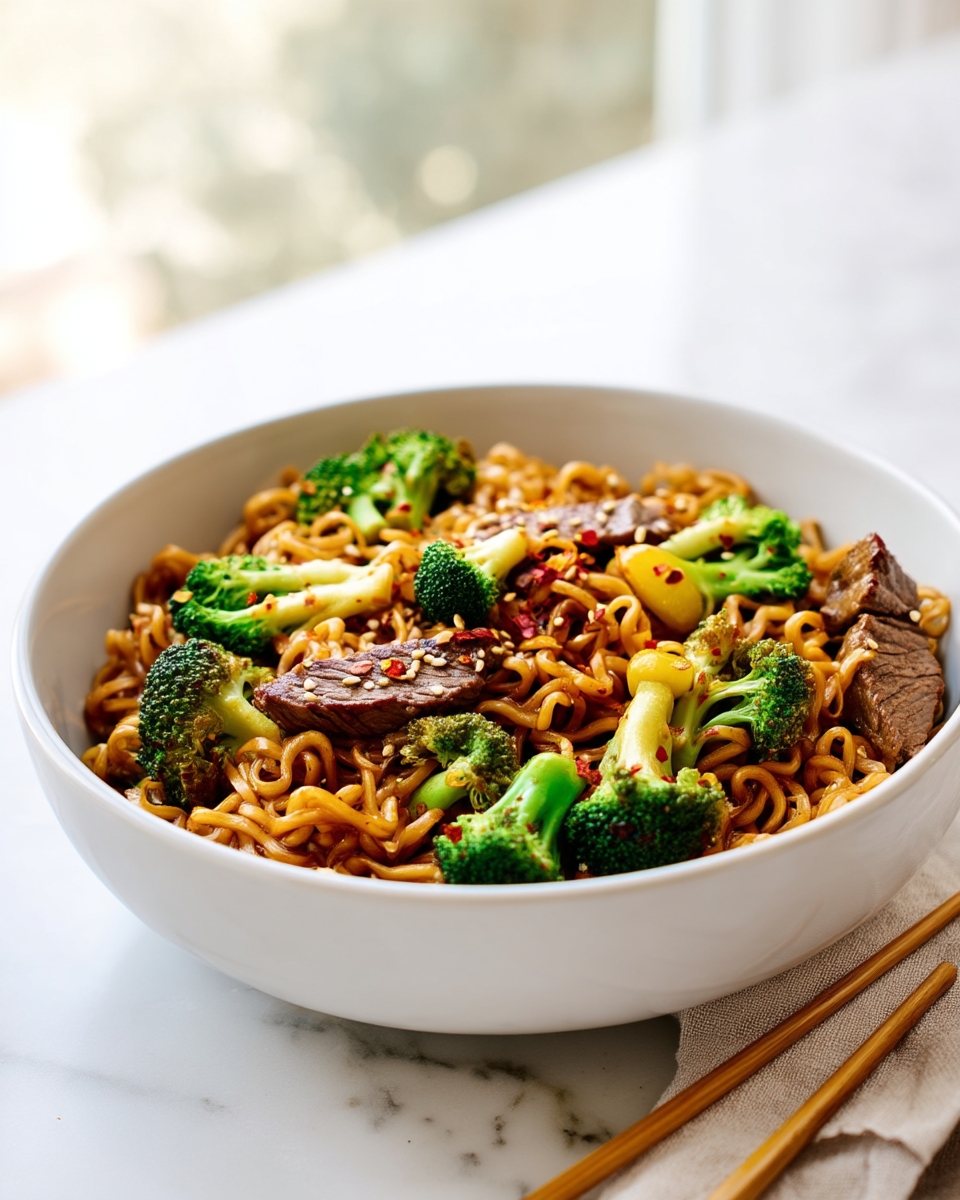
Add the steak back in. Add the noodles. Give the sauce one more stir — the cornstarch settles — and pour it over everything. Use tongs to mix it all together as it heats through, which takes about a minute or two. You’ll see the sauce thicken up and coat everything. That’s exactly what’s supposed to happen.
Serve it right away, with sesame seeds on top if you remembered them.
Variations Worth Trying
Chicken thighs work beautifully here instead of beef — cut them into bite-sized pieces, follow the same process, and add an extra two minutes in the pan to make sure they’re cooked through. Use chicken broth in the sauce instead of beef broth.
If you want to go vegetarian, skip the meat entirely, use vegetable broth, and load it up with extra vegetables — bell peppers, shredded carrots, thinly sliced onion. It’s really quite good. You might also like our BEST STEAK BITES.
Someone once told me you could use udon noodles here, and I’ve tried it. Udon is thicker and chewier and it gives the whole dish a different character — not bad, just different. If ramen noodles are genuinely unavailable or you have a preference, udon’s a reasonable swap.
Storage
It keeps in the refrigerator for about three days, in a sealed container. The noodles absorb the sauce as it sits, so when you reheat it — which I do in a skillet with a tiny splash of water or broth to loosen things up — it’s a little different than it was fresh, but not worse.
Don’t freeze it. The noodles turn into something unpleasant. I tried it once, under the impression that all things could be frozen. They cannot.
If you’re the kind of person who meal-plans, this is a good one to put on Thursday — it’s fast enough that you’re not exhausted by it at the end of a long week, and you’ll probably have leftovers for Friday, which is always a gift.
Oh — one more thing I almost forgot to mention. The ginger in the sauce should be fresh, not the powder. I know that sounds fussy, and maybe it is, but dried ginger is a completely different flavor and it throws the whole balance off. I keep a piece of fresh ginger in the freezer specifically for recipes like this. Grate it from frozen — it works beautifully and you never have to worry about it going bad on you. Try our General Tso’s Chicken next.
Anyway. That’s the recipe. Make it on a weeknight when you don’t feel like cooking. You’ll feel like you cheated somehow — like it should have taken longer to taste this good. If you like this, you'll love our Garlic Chicken Stir Fry.
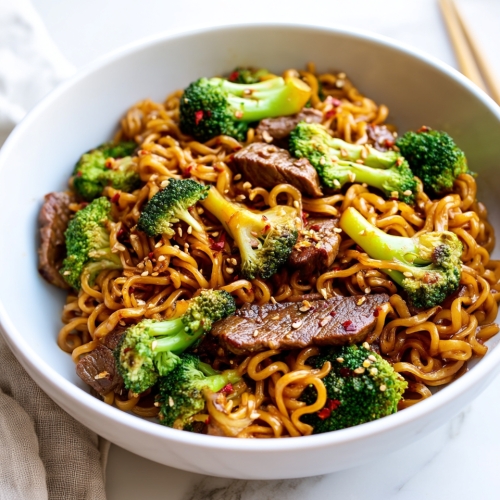
Beef and Broccoli Ramen Stir Fry
Ingredients
- 1/4 cup low-sodium soy sauce
- 1 tbsp cornstarch
- 1/3 cup beef broth
- 2 tbsp honey
- 2 tbsp hoisin sauce
- 1 tbsp rice vinegar
- 1 tbsp sesame oil
- 2 cloves garlic minced
- 1/2 tbsp fresh ginger grated
- 1/8 tsp red pepper flakes
- 2 packages ramen noodles seasoning discarded
- 1 tsp sesame oil for noodles
- 2 tbsp olive oil divided
- 1 lb sirloin steak thinly sliced
- 1/2 tsp salt
- 1/2 tsp black pepper
- 3 cups broccoli florets
- 1/2 cup water
- 1 tbsp sesame seeds for garnish
Instructions
- Whisk soy sauce and cornstarch until smooth, then mix in remaining sauce ingredients and set aside.
- Cook ramen noodles until just tender, drain, rinse, and toss with sesame oil.
- Heat oil in a skillet, cook seasoned steak until browned, then remove.
- Cook broccoli with water, cover, and steam until tender-crisp.
- Return steak and add noodles, then pour in sauce.
- Toss everything until sauce thickens and coats evenly.
- Serve immediately with sesame seeds on top.
Notes
Nutrition
Nutrition values are estimates based on the listed ingredients and serving count. Actual values vary with brands, cuts and portion sizes.